
Linux Package Signature Verification: Why Trusted Repositories Matter
Understand how digital signatures and trusted repositories reduce the risk of installing modified software on Linux systems.
Understand how digital signatures and trusted repositories reduce the risk of installing modified software on Linux systems.

Learn how BitLocker device encryption works, when recovery keys are needed, and how to store them securely without compromising protection.

Learn the difference between transport and end-to-end encryption to choose the right email protection for your needs.

Threat modeling is a structured process for identifying security threats during system design. Learn its practical steps, the STRIDE framework, and how to apply it to strengthen cybersecurity and protect user privacy before development begins.
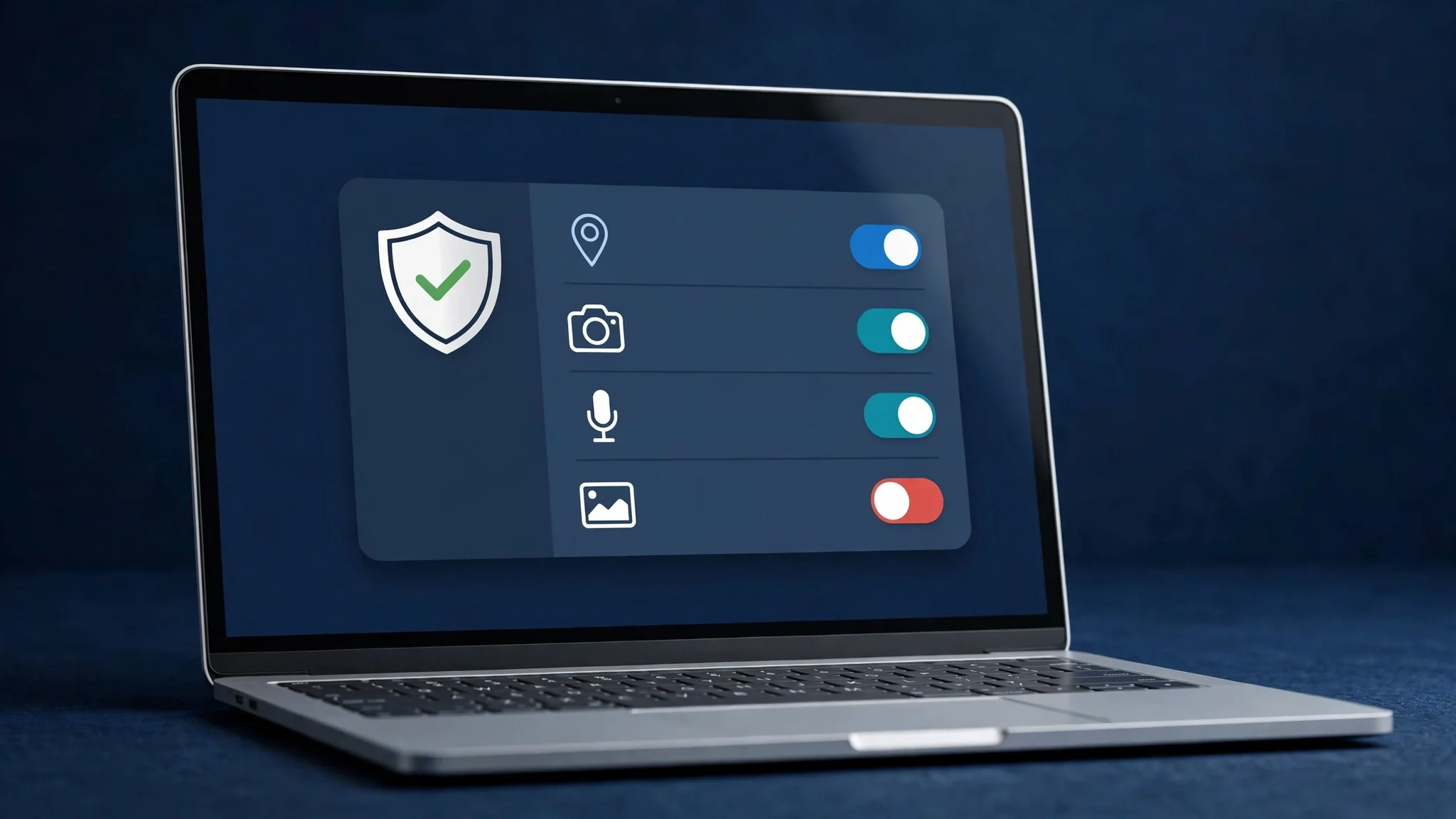
Understand OAuth permissions, recognize excessive access requests, and revoke connections for apps you no longer need.

Learn how Certificate Transparency works, how TLS certificate logs help detect unexpected certificate issuance, and practical steps to monitor your domains.

Digital photos can store metadata like capture time, device information, and sometimes location. Learn how to check and reduce privacy risks before sharing them.

Learn commonly overlooked API risks and how to mitigate them with authentication, object-level authorization, rate limiting, input validation, and monitoring.
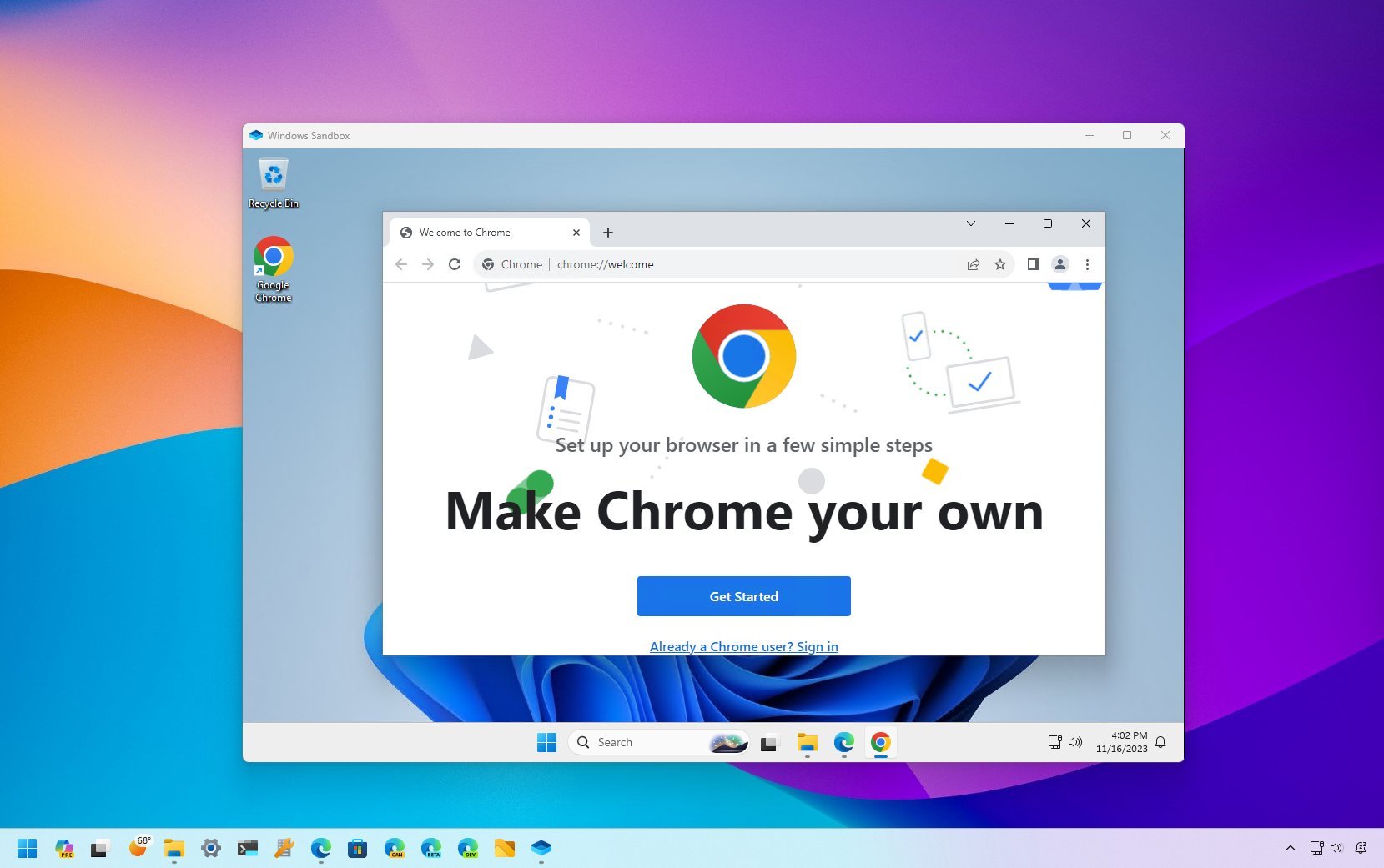
Learn how Windows Sandbox works, its requirements, how to enable it, and safe practices for testing applications without affecting your main Windows environment.

Learn how to configure Cloudflare R2 access, choose which files can be public, secure tokens, validate uploads, and implement retention and monitoring.