
AI Model Cards: How to Read Documentation, Limitations, and Risks
A practical guide to reading AI model cards to assess intended use, evaluation data, limitations, risks, and model suitability before deployment.
A practical guide to reading AI model cards to assess intended use, evaluation data, limitations, risks, and model suitability before deployment.

Machine unlearning helps reduce the influence of specific data from AI models. Learn about approaches, implementation workflows, verification methods, and technical limitations.

Learn how to use Structured Outputs and JSON Schema to make AI responses more consistent, easier to validate, and safer to integrate into applications.

A practical guide to evaluating free AI translators by usage limits, document support, language quality, data privacy, and hidden costs before using them for work.

Learn how OCR converts scanned pages into searchable text, how to use Tesseract, and how to improve accuracy while protecting document privacy.

Explore spiking neural networks, event-based processing, potential edge-AI applications, and the limits of neuromorphic hardware compared with GPUs and NPUs.

Build representative AI benchmarks, avoid test-set leakage, and measure quality, cost, latency, and consistency instead of relying on one model score.

Improve AI outputs with clear context, measurable instructions, structured formats, staged workflows, and evidence checks.
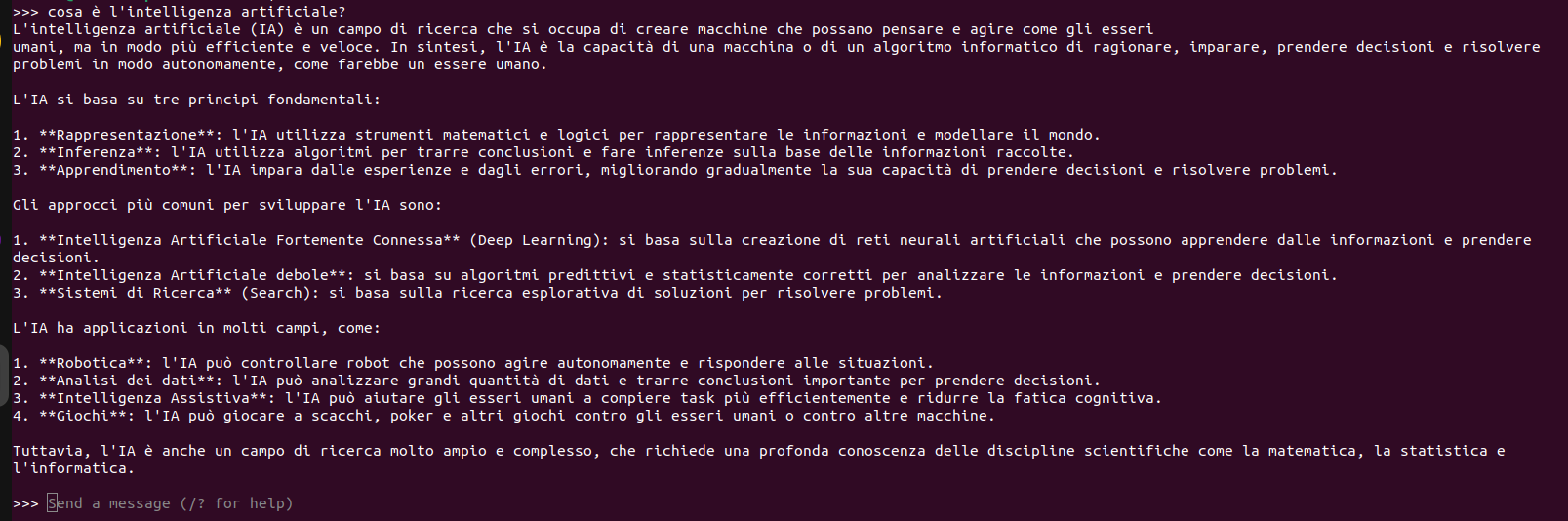
A practical guide to installing Ollama, downloading a language model, using its local API, and managing performance and privacy.

Learn how RAG retrieves external knowledge for AI systems, how its pipeline works, where it is useful, and what limits its reliability.