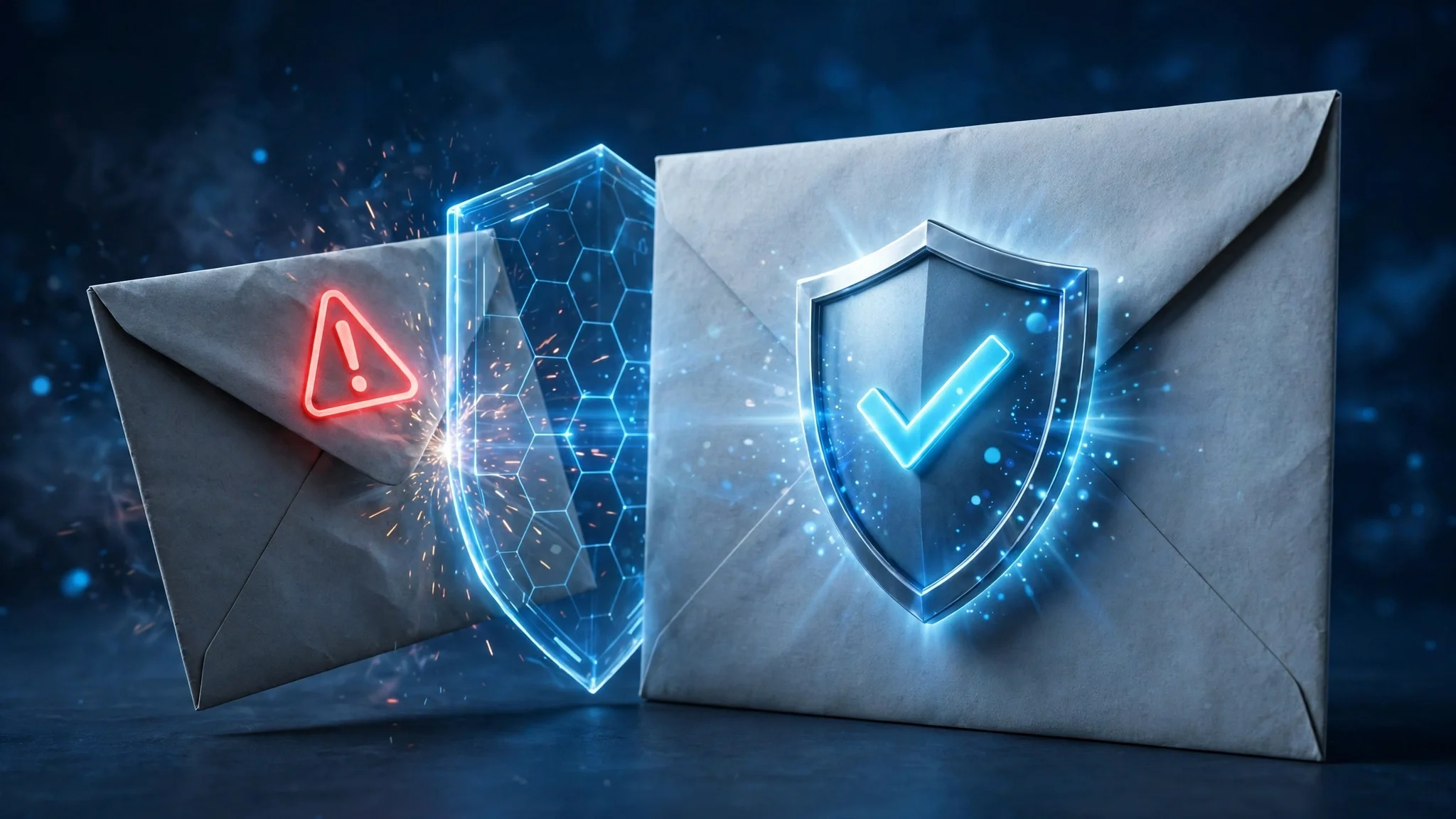
SPF, DKIM, and DMARC: How to Secure Your Domain Email from Spoofing
Learn the differences between SPF, DKIM, and DMARC and the safest order to implement them to reduce email spoofing on your own domain.
Learn the differences between SPF, DKIM, and DMARC and the safest order to implement them to reduce email spoofing on your own domain.

Learn how Certificate Transparency works, how TLS certificate logs help detect unexpected certificate issuance, and practical steps to monitor your domains.
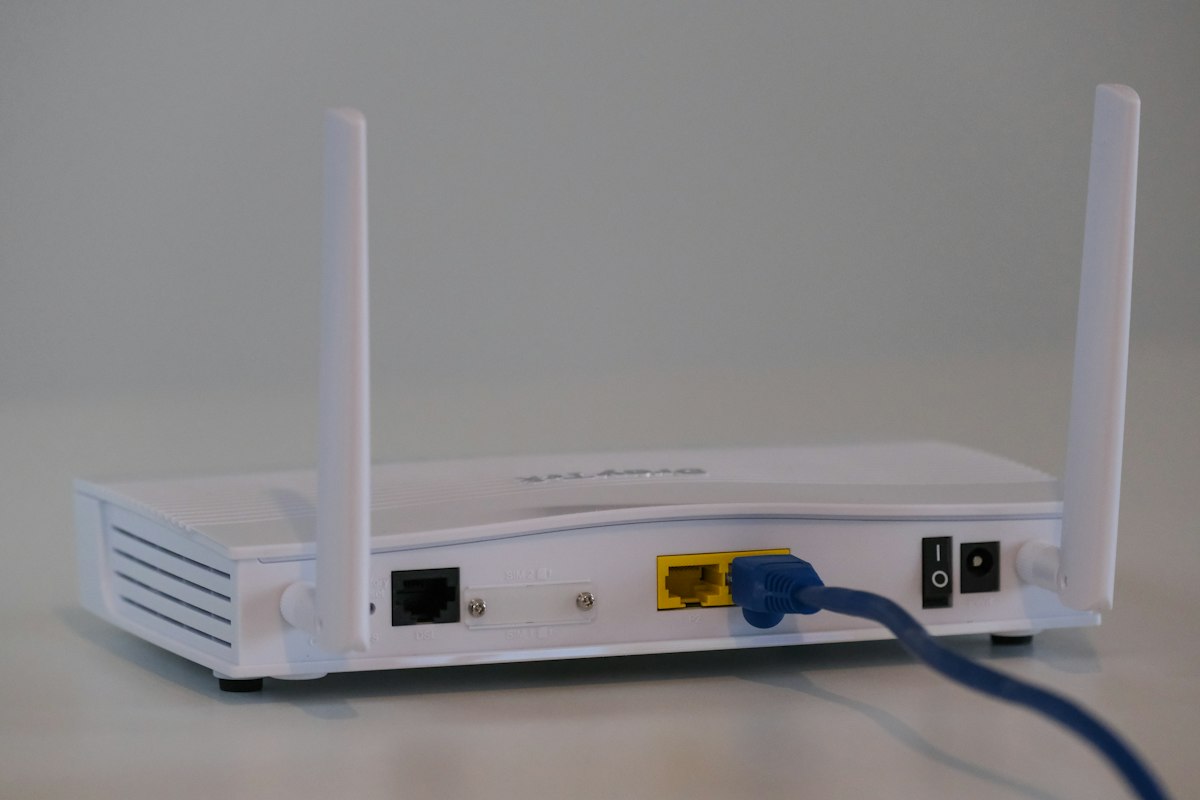
Practical steps to secure your home Wi-Fi router: change admin credentials, choose proper encryption, update firmware, set up guest networks, and check connected devices.
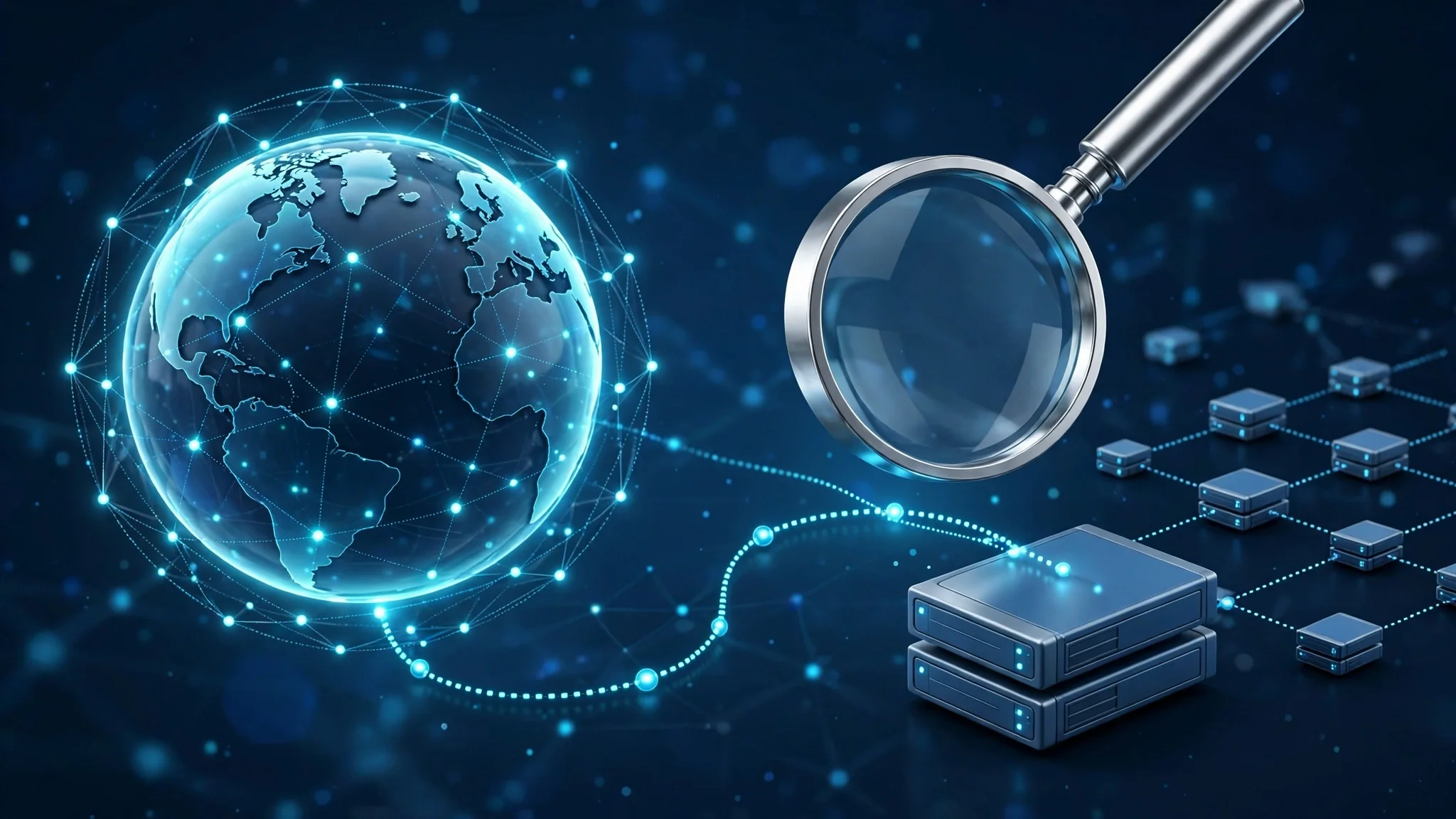
Learn how to diagnose DNS problems by checking records, resolvers, TTL, and cache, plus how to distinguish DNS issues from connectivity or server problems.
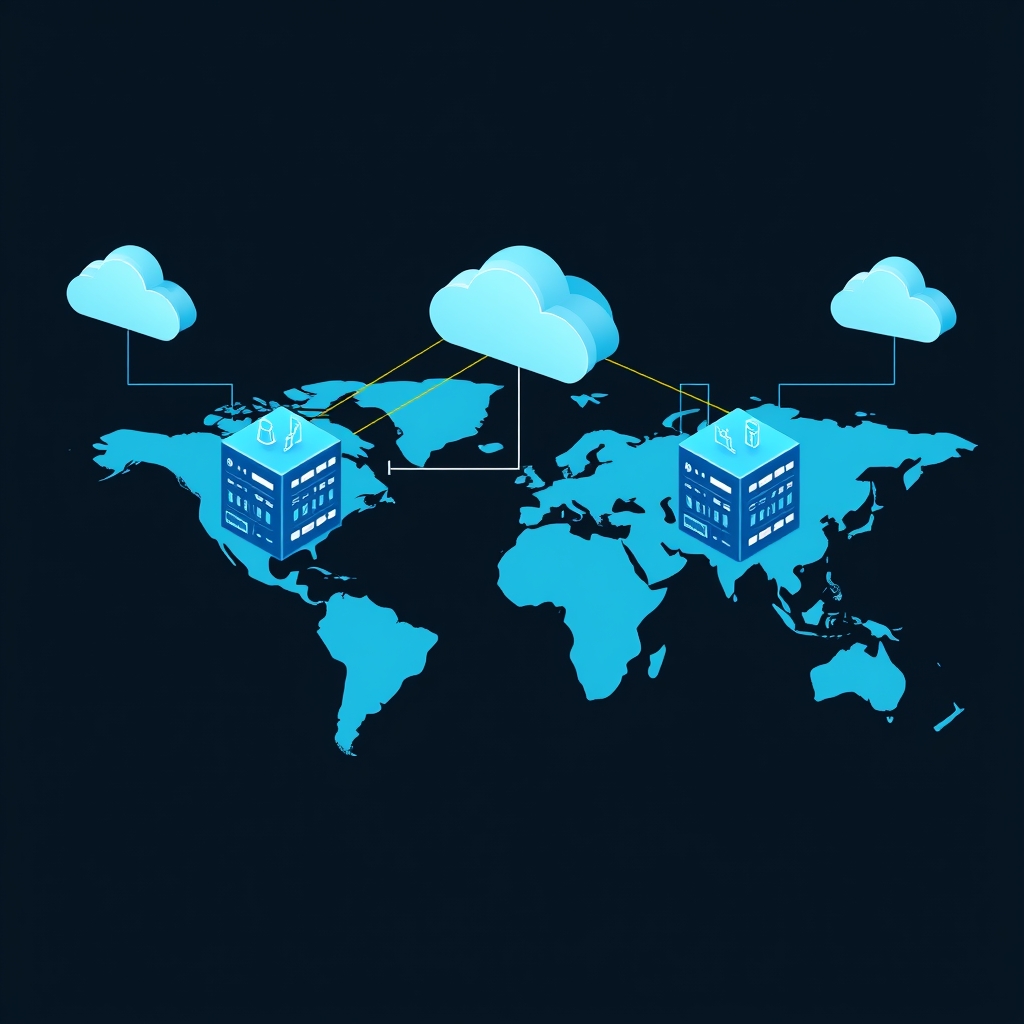
Multi-region cloud architecture helps applications serve users worldwide with greater resilience and performance. Learn about architecture patterns, data replication, failover, global traffic routing, observability, and cost optimization.

Learn how private endpoints and private links work, how they differ from VPNs and VPC peering, and how to plan DNS, routing, and access controls for private cloud connectivity.
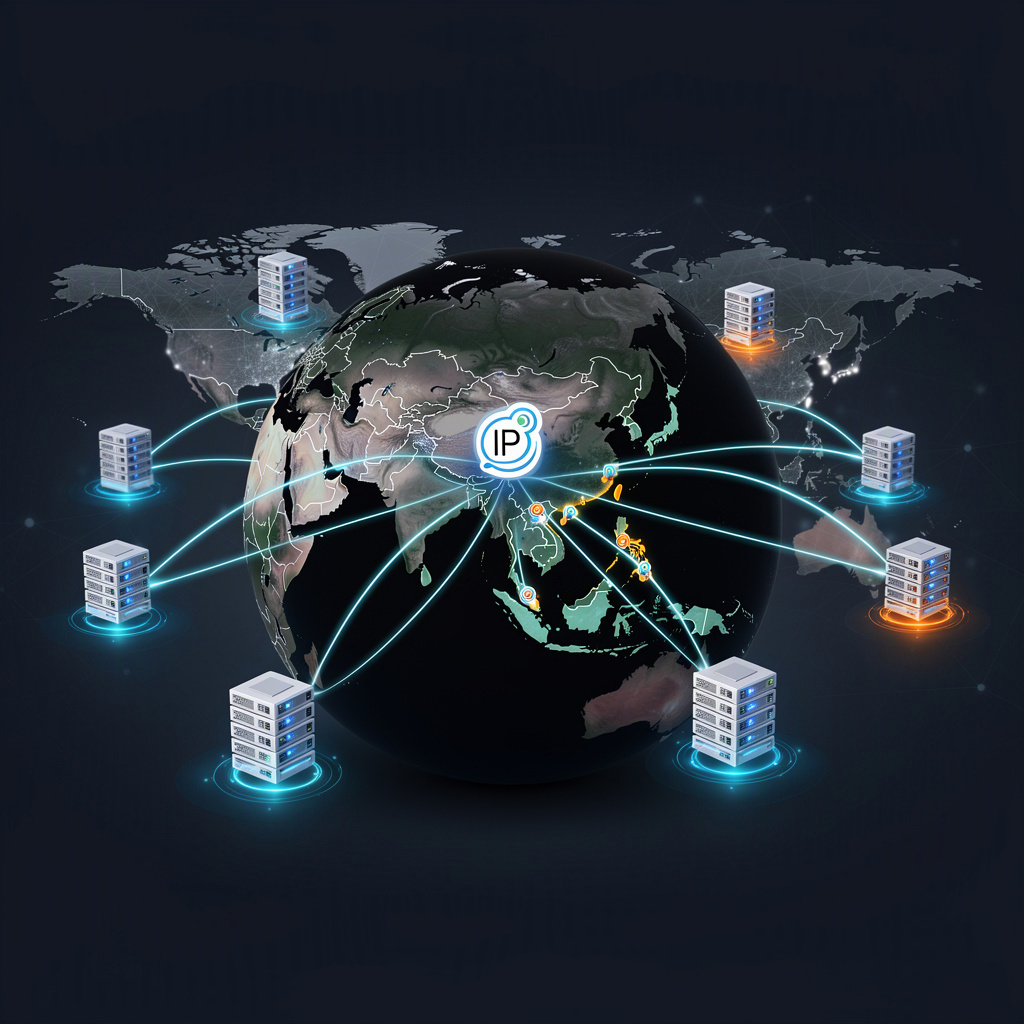
Understand how BGP anycast uses one IP prefix across multiple locations, how it differs from load balancing, and its benefits and operational trade-offs.
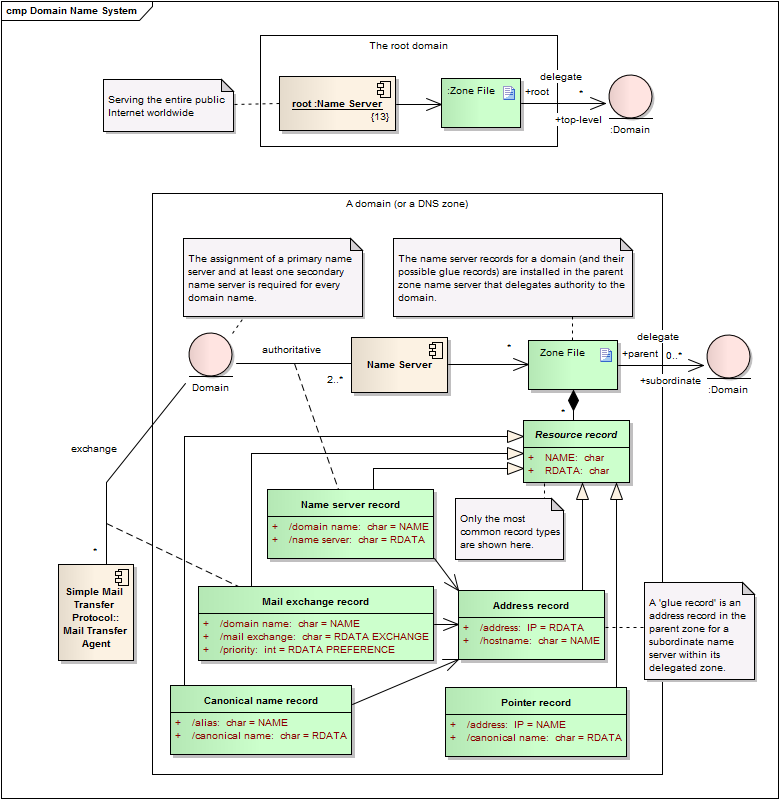
Learn how DNS resolves domain names, what common record types do, and how DNSSEC, DoH, and DoT improve security and privacy.
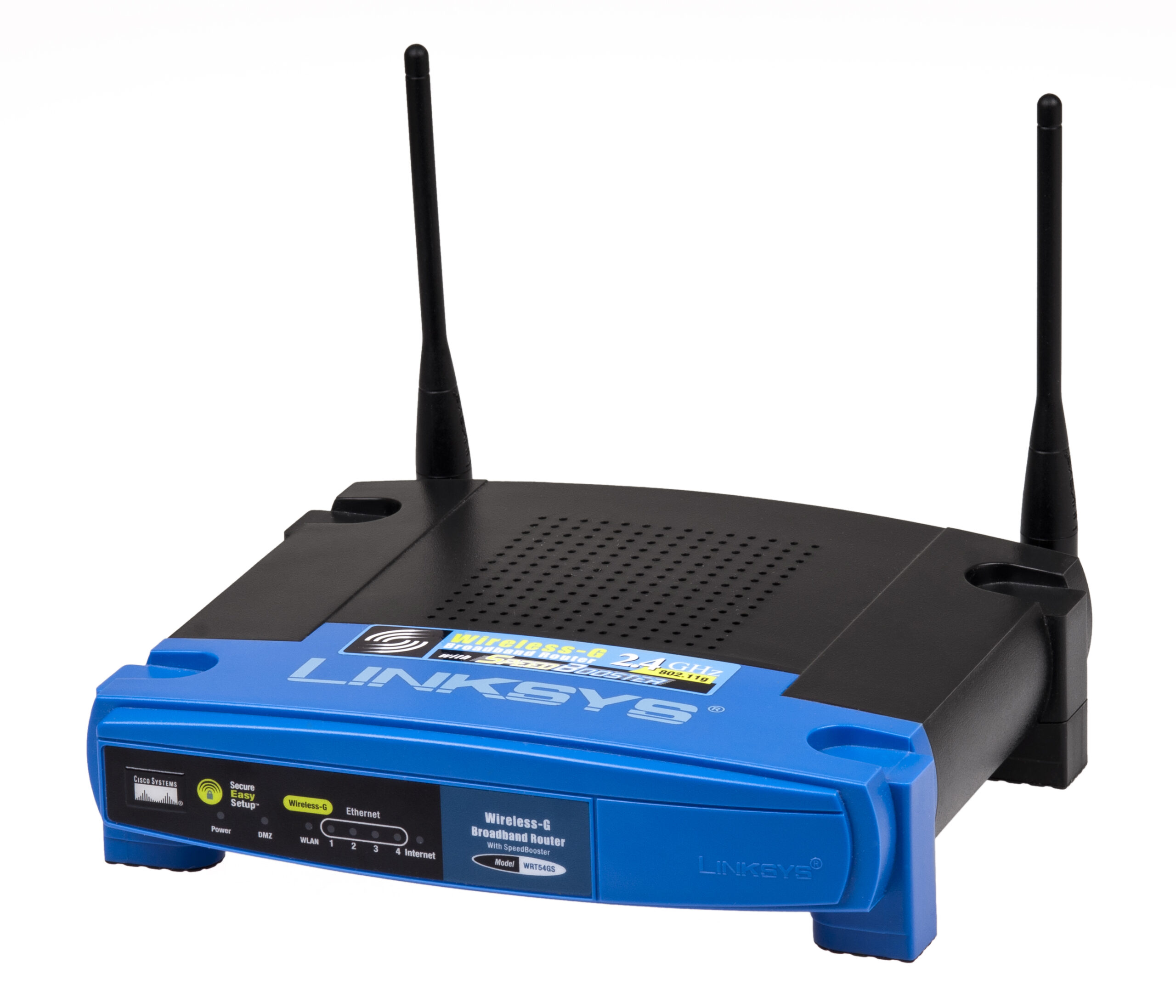
Understand Wi-Fi 7 features such as 320 MHz channels, MLO, and 4K-QAM, then match router ports, coverage, and client support to your needs.
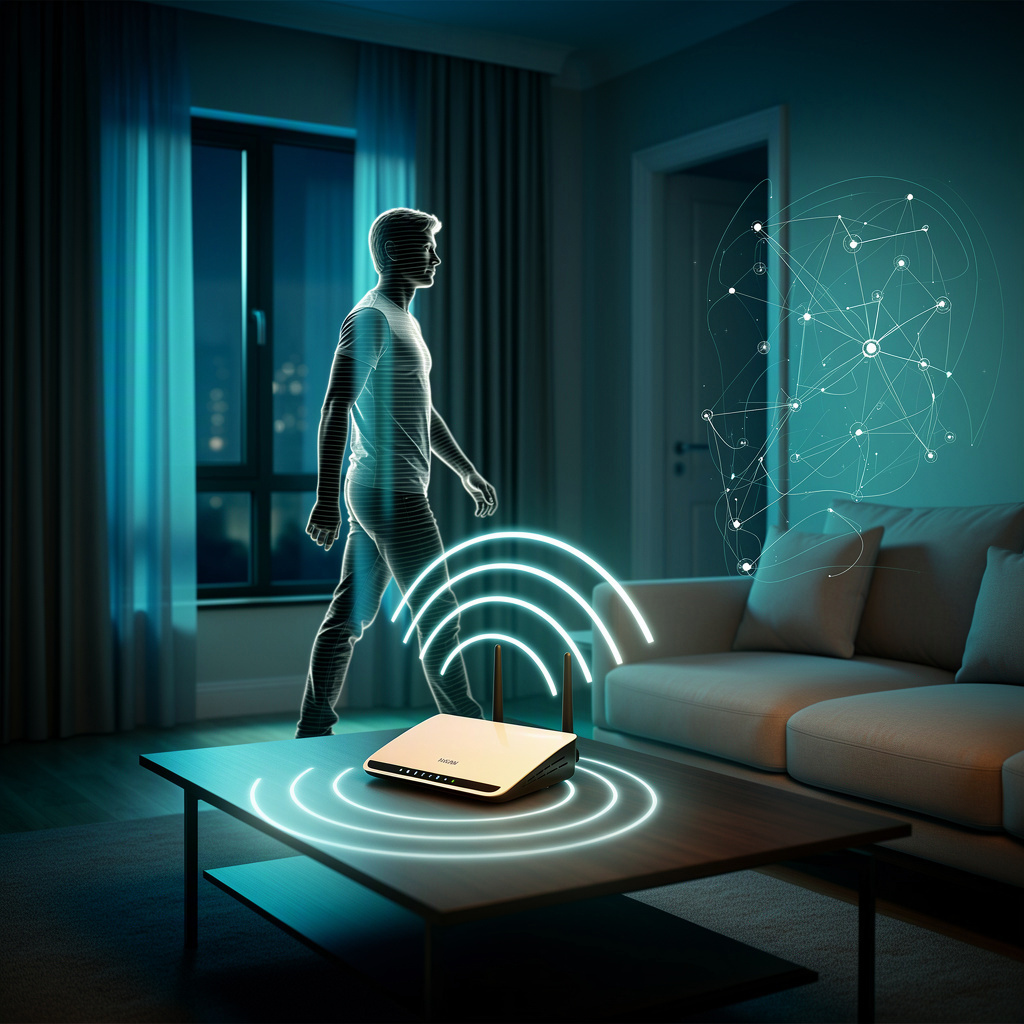
Explore how Wi-Fi sensing uses radio-channel changes to detect movement, where it may be useful, and why accuracy and privacy matter.