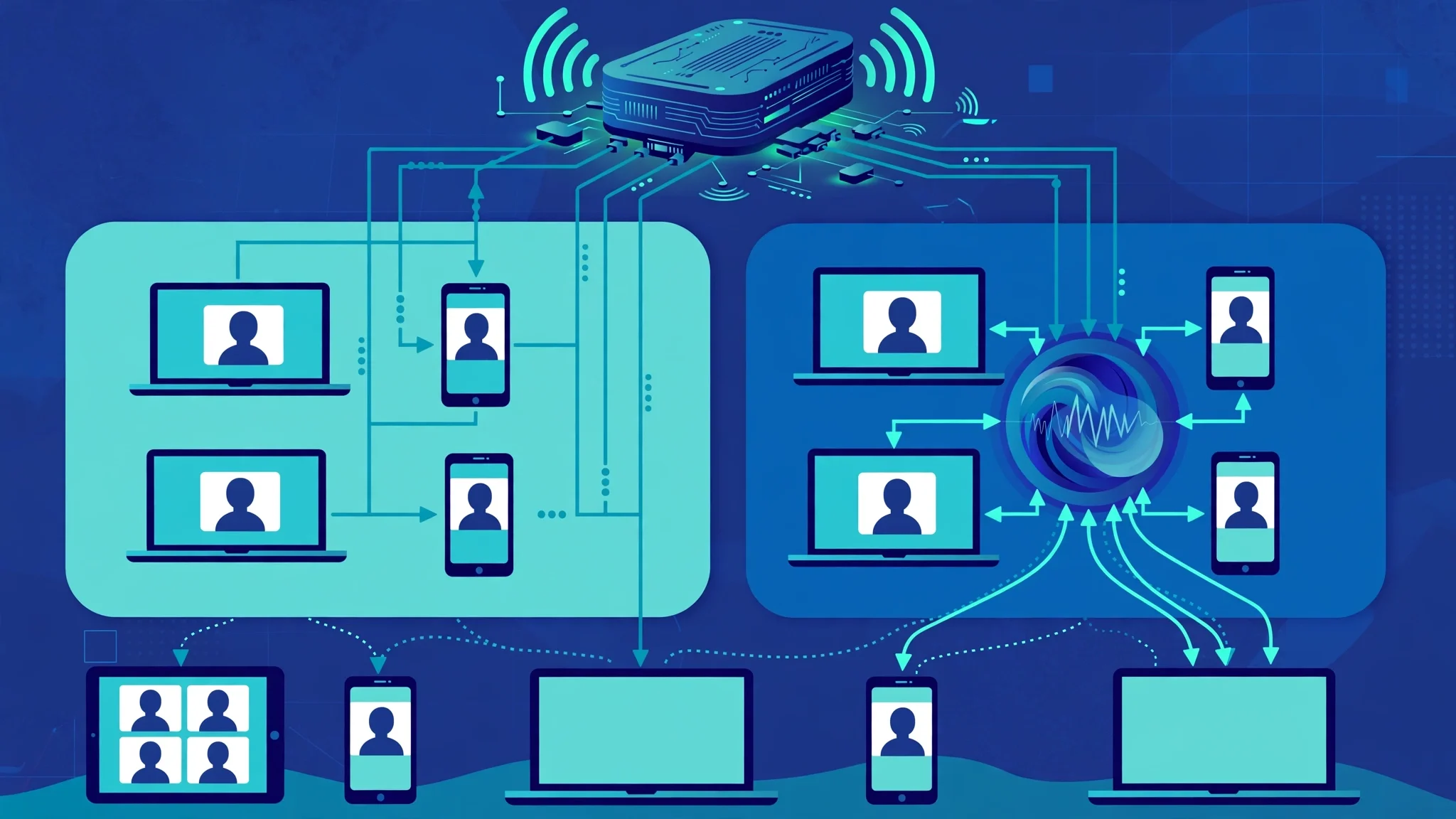
WebRTC SFU vs MCU: Choosing the Right Video Conference Architecture
Understand the differences between SFU and MCU in WebRTC, their impact on bandwidth, latency, server costs, security, and how to choose the right video conference architecture.
Understand the differences between SFU and MCU in WebRTC, their impact on bandwidth, latency, server costs, security, and how to choose the right video conference architecture.

A guide to CHIPS and the Partitioned attribute for keeping third-party widget sessions functional without sharing the same cookie across different sites.

Network Time Security (NTS) adds cryptographic authentication to NTP time synchronization. Learn how NTS-KE works, its security benefits, limitations, and implementation steps.
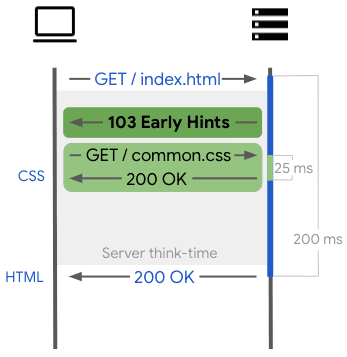
HTTP 103 Early Hints lets servers send preload and preconnect hints before HTML is ready. Learn how it works, its benefits, risks, and how to test it.

Learn how satellite communication works on smartphones, the difference between SOS and satellite messaging, device requirements, regional availability, and emergency preparation tips.
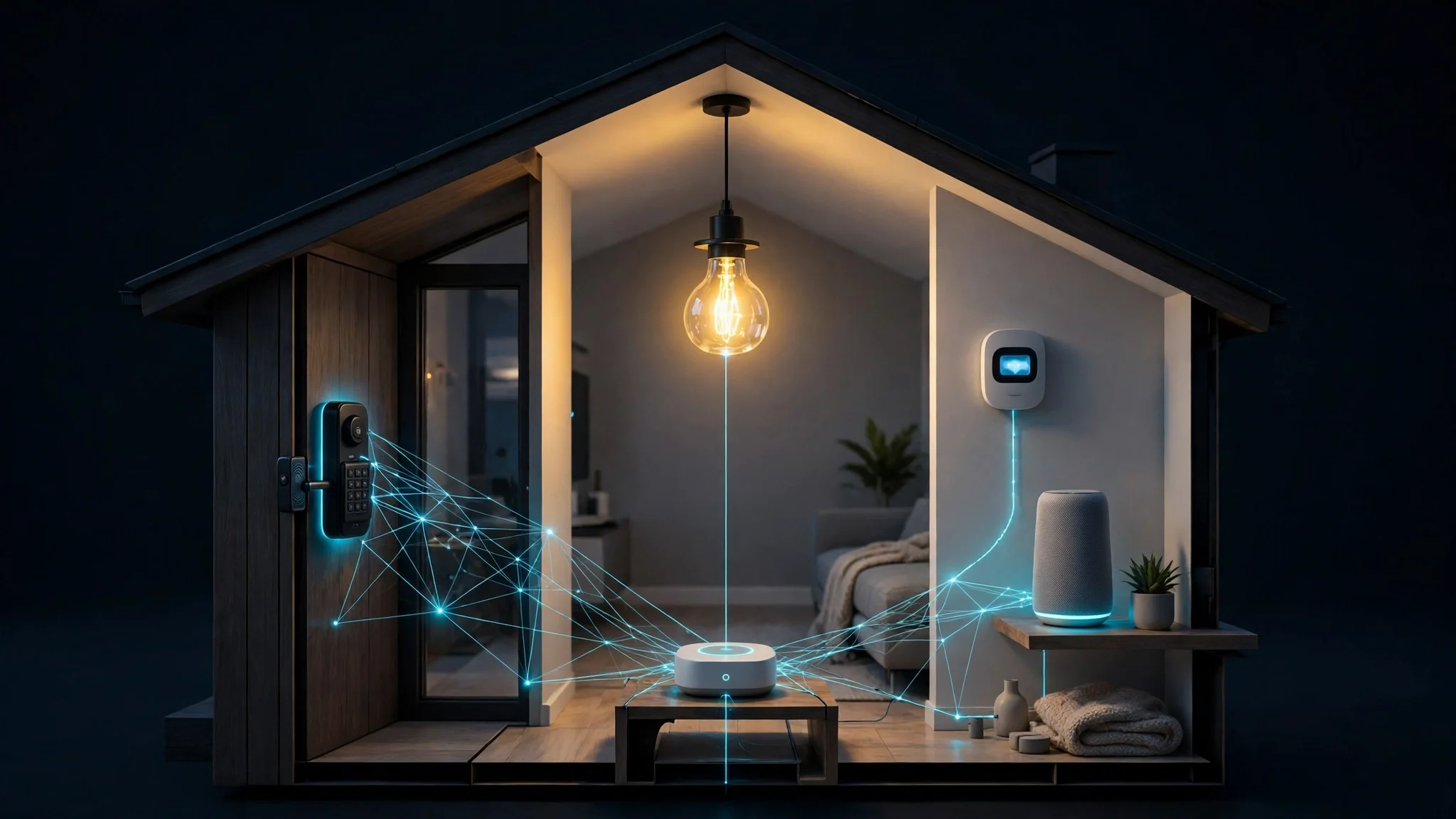
Understand the difference between Matter and Thread, required devices, how to set up cross-brand smart homes, plus compatibility and security tips.
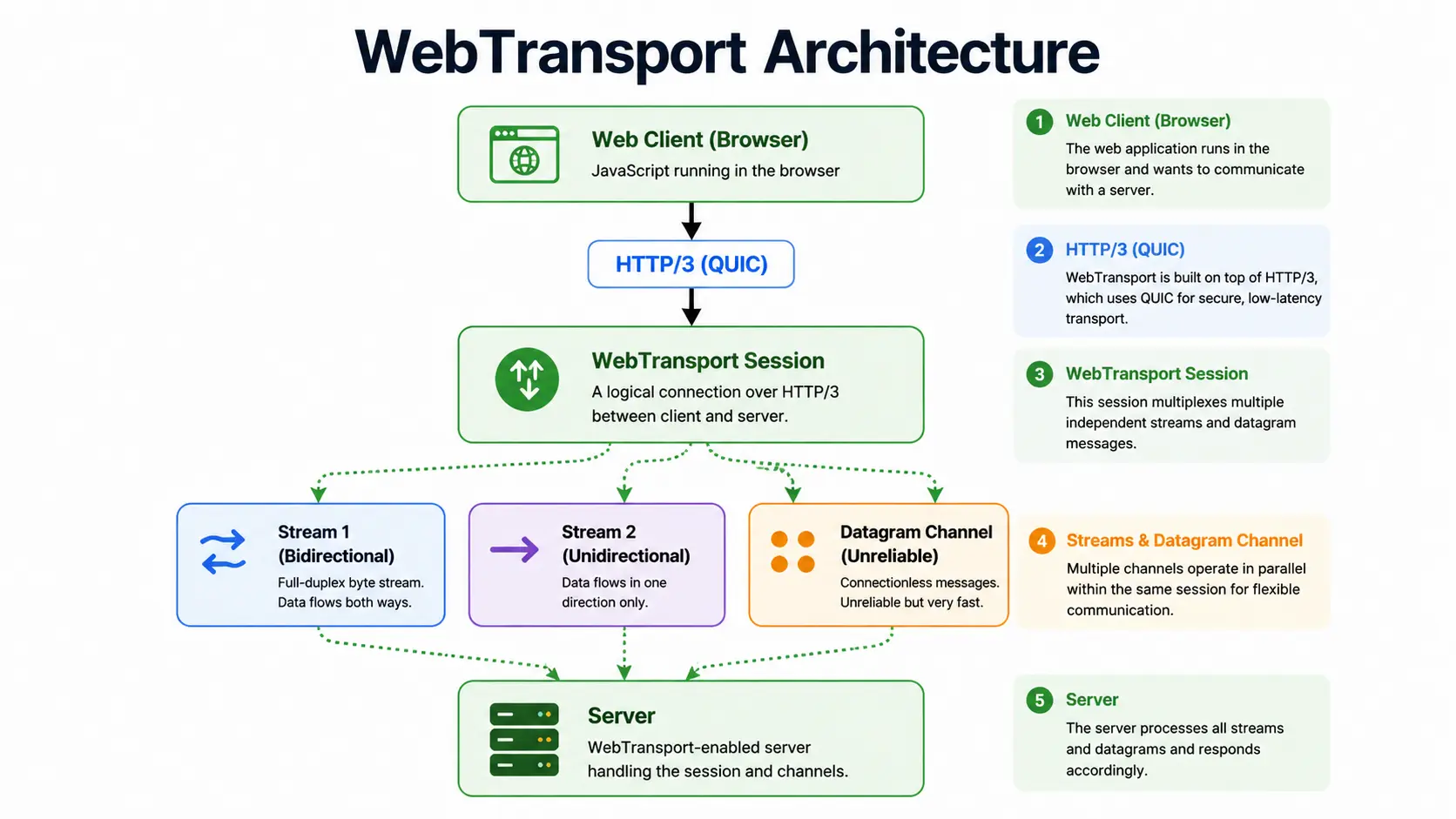
A guide to choosing between WebTransport and WebSocket for real-time applications, covering stream and datagram differences, browser compatibility, server requirements, and security considerations.

Learn how object storage works, how it differs from block and file storage, and when web applications benefit from using scalable cloud object storage.
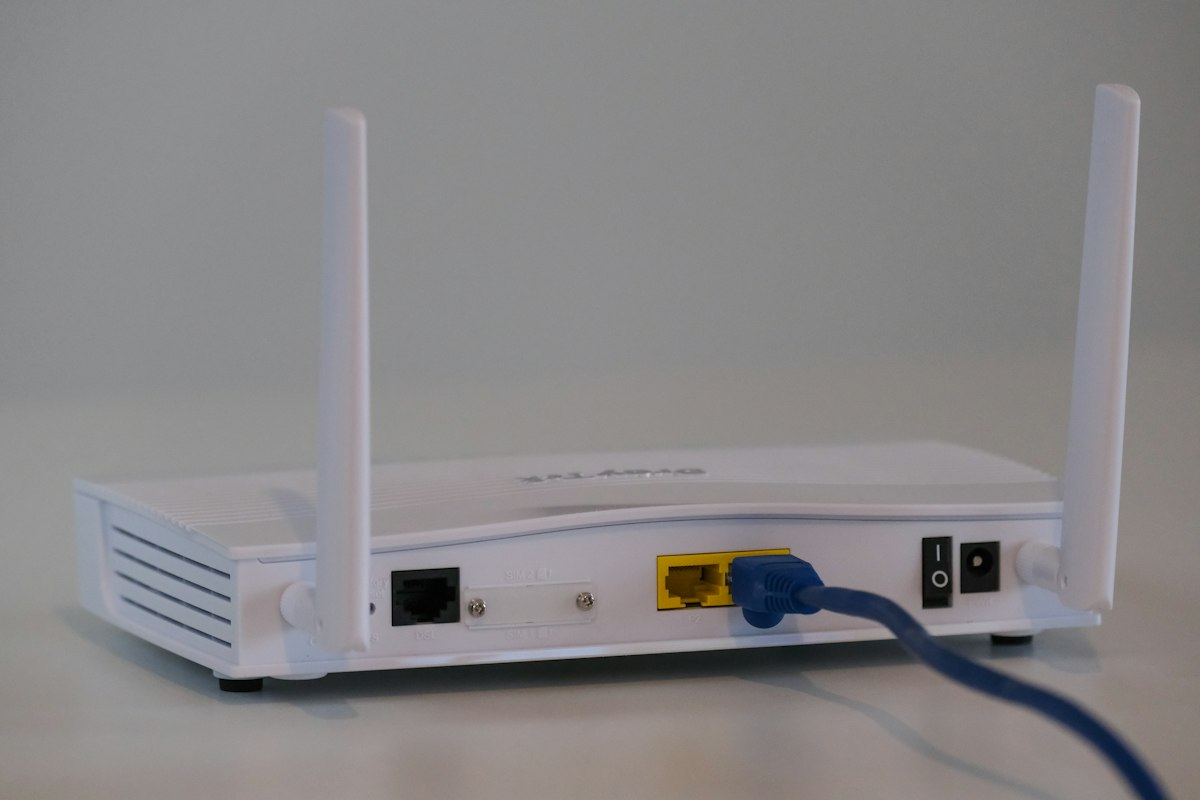
Understand the differences between Wi-Fi 6 and Wi-Fi 7, including 320 MHz channels, Multi-Link Operation, device compatibility, and when upgrading your router actually makes sense.

Learn how VLANs work to separate personal devices, IoT, and guests on a single home network, including equipment requirements, segmentation examples, firewall rules, and mistakes to avoid.